

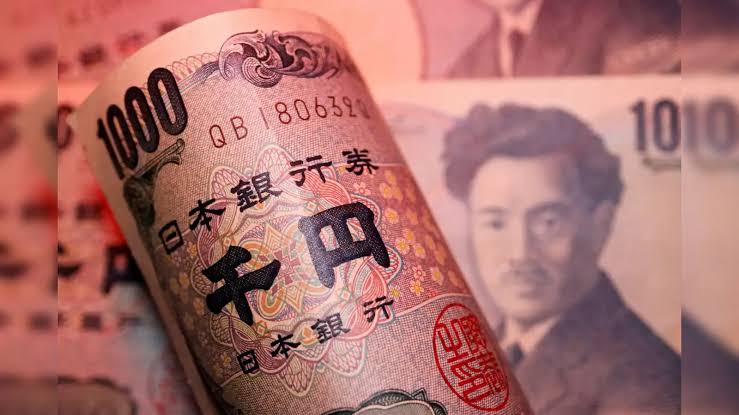
TOKYO: Japan’s benchmark bond yield is on the brink of hitting 3 per cent for the first time since the mid-1990s, highlighting how inflation, rising fiscal concerns and monetary policy expectations are reshaping a market long defined by low interest rates.
A 10-year Japanese government bond yield at 3 per cent was practically unthinkable until recently, following more than a decade of massive central bank debt purchases that kept the nation’s interest rates artificially low.
Now with the Middle East crisis stoking inflation fears globally, and pressure on the Bank of Japan to accelerate rate hikes, yields are jumping to historic levels across the JGB curve.
The question for investors is whether the surge in yields, which has seen the 10-year benchmark more than triple in two years, reflects growing fiscal stress or is a natural feature of a reflating economy. It also poses a global quandary if higher JGB yields lure home Japanese money that has been a pillar for U.S. and European debt markets for decades.
Shoki Omori, Deutsche Bank’s chief fixed income strategist for Japan, believes the recent move higher in JGB yields reflects rising wages and inflation along with concerns about heavy bond issuance and spending by the government.
“Yields that embed a fiscal risk premium are themselves a form of market discipline on future spending,” Omori said.
“This is normalisation with a warning label, not a crisis,” Omori said. “Once the Bank of Japan delivers and the terminal rate comes into view, we expect 3 per cent to be the battleground where dip-buying starts to outweigh momentum selling.”
The 10-year yield advanced for a seventh straight session on Tuesday, reaching a high of 2.945 per cent that has not been seen since September 1996.
On the short end, the 5-year rate set a record high and the 2-year yield saw a 31-year peak as expectations solidified that the BOJ will raise interest rates next month.
YEN, BOND INTERPLAY
Inflationary pressures and the yen, languishing near a four-decade low, have exerted pressure on the Bank of Japan to accelerate rate hikes. The BOJ has faced criticism at home and abroad that it was “behind the curve” in normalising monetary policy, which includes a gradual drawdown of its massive JGB holdings.
The interplay between weakness in Japan’s currency and bond market could ratchet up if the JGB market is seen to be having a “bad rise” in yields, said Tsuyoshi Ueno, chief economist at NLI Research Institute.
“Breaking above 3 per cent is symbolic. If market attention turns to the underlying inflation and fiscal concerns, yen-selling pressure could intensify,” Ueno said.
Japan’s bond selloff has drawn attention because the country’s heavy debt burden makes it especially vulnerable to rising borrowing costs. Demand at a 10-year JGB auction earlier this month was the weakest in a year.
Prime Minister Sanae Takaichi has pushed an investment-led growth path targeting strategic industries, since taking office in October. That spending along with planned tax cuts have stoked concerns that Japan could worsen its precarious financial position, with debt exceeding 200 per cent of gross domestic product.